
A Study in Eastlake Era Hardware Design
The late 19th century marked a turning point in design—especially in the details that often go unnoticed, like hardware. The Eastlake era, emerging during the broader Aesthetic Movement, reshaped how we think about decorative elements by bringing intention, balance, and craftsmanship back into everyday objects.
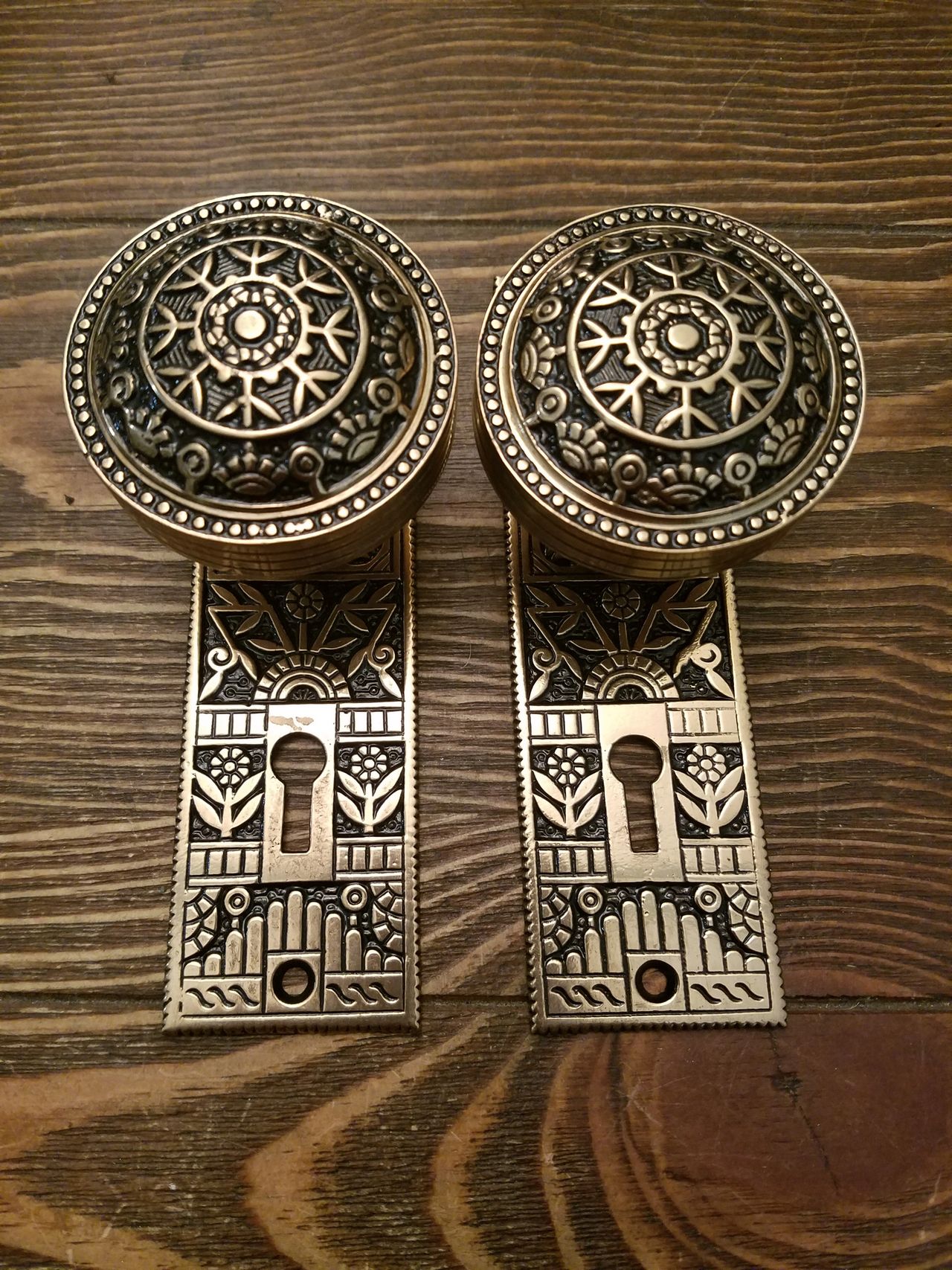
A Shift Away from Victorian Excess
Before Eastlake, Victorian design was known for its heavy ornamentation—intricate, flowing forms that were often beautiful but overly elaborate. The Eastlake movement introduced a refreshing alternative. Instead of excess, it emphasized restraint, structure, and purpose.
Design became less about decoration for decoration’s sake, and more about harmony and usability. This shift wasn’t just aesthetic—it reflected a broader cultural move toward thoughtful craftsmanship and practical beauty.
Where Nature Meets Geometry
One of the defining characteristics of Eastlake-era hardware is the unique blend of natural inspiration and geometric precision. Designers combined elements like stylized leaves, floral motifs, and organic forms with clean lines, angles, and repeating patterns.
This balance created pieces that felt both decorative and structured—ornate enough to stand out, yet simple enough to complement the overall design of a space.
Designed for Everyday Living
Unlike earlier styles that prioritized visual impact above all else, Eastlake design focused on function just as much as form. Hardware wasn’t just an afterthought—it became an integrated part of the furniture or cabinetry itself.
Pieces were often crafted to be:
Durable and easy to maintain
Comfortable to use
Visually cohesive with surrounding materials
This philosophy aligned with the broader Eastlake belief that good design should be accessible, practical, and well-made—not overly complicated or fragile.
The Lasting Influence of Eastlake Hardware
Even after the Eastlake period faded, its influence remained. Many of the design principles—clean lines, subtle ornamentation, and the integration of natural and geometric elements—continued to shape hardware design well into the 20th century.
You can still see echoes of Eastlake today in reproduction hardware and restoration work, especially in historic homes where authenticity and detail matter.
Why It Still Matters
Eastlake hardware represents more than a design style—it reflects a mindset. It’s about creating pieces that are thoughtful, intentional, and built to last. In a world that often leans toward either minimalism or excess, Eastlake strikes a rare balance between the two.
For anyone restoring a historic home or simply appreciating well-crafted design, the Eastlake era offers a timeless lesson: great design doesn’t have to shout to be noticed—it just has to be done well.
